The Datum
Thinking, applications and profiles on the issues and people defining the future of Metrology
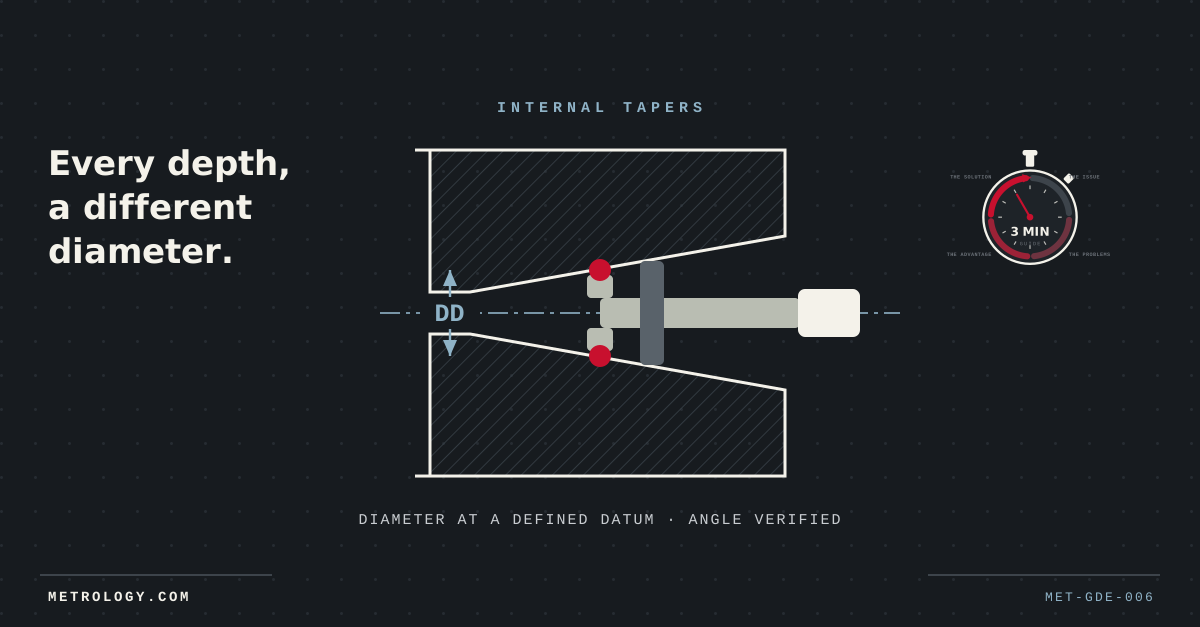
The issue A taper has a different diameter at every depth — which means "measure the bore" is an incomplete instruction. Any reading is meaningless without an answer to where: at what axial position, referenced from which face. Spindle noses, valve seats, hydraulic cones and tooling bores live or
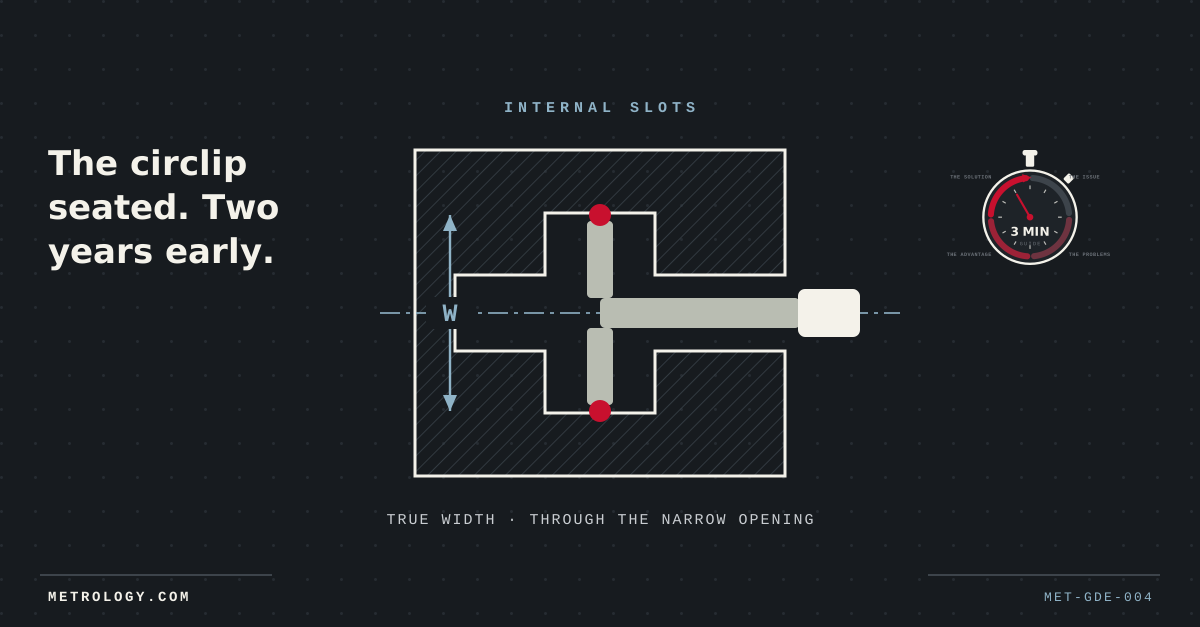
The issue Internal slots break the founding assumption of bore gauging: that the feature is round. A circlip groove that isn't a full circle, a keyway broached inside a bore, a recess machined behind a smaller opening — these are width measurements hiding inside diameter-shaped access, and the
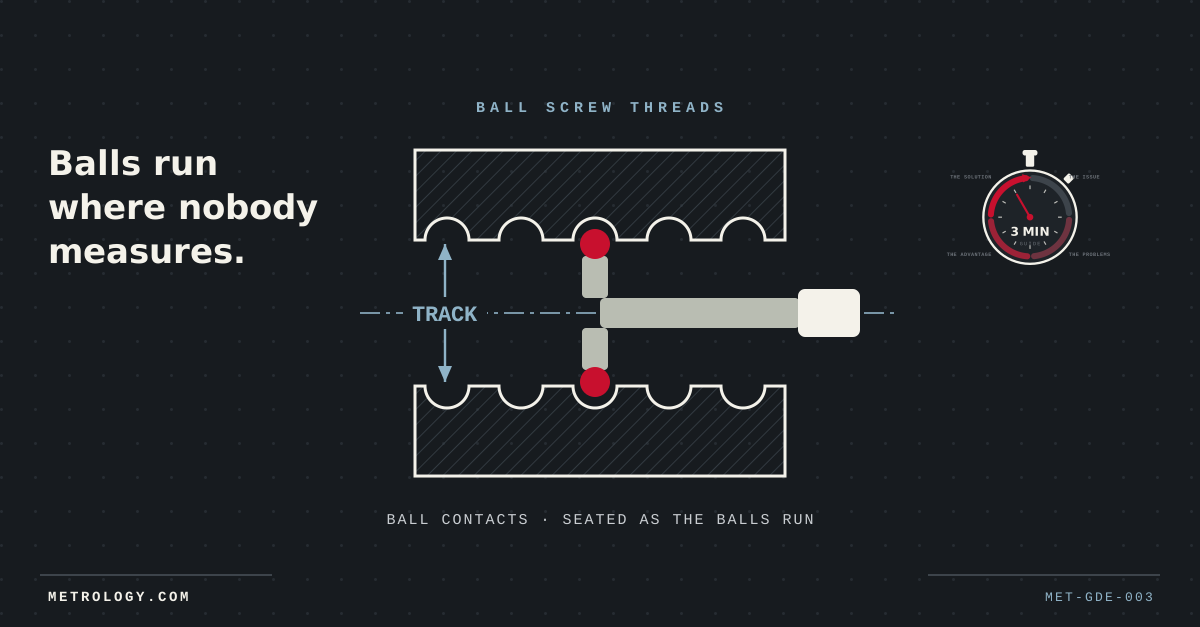
The issue A ball screw doesn't run on its thread crests — it runs on the track, the semicircular or gothic-arch groove where the balls actually roll. The only diameter that predicts performance, preload and backlash is the running diameter measured exactly where a ball sits. Measure the
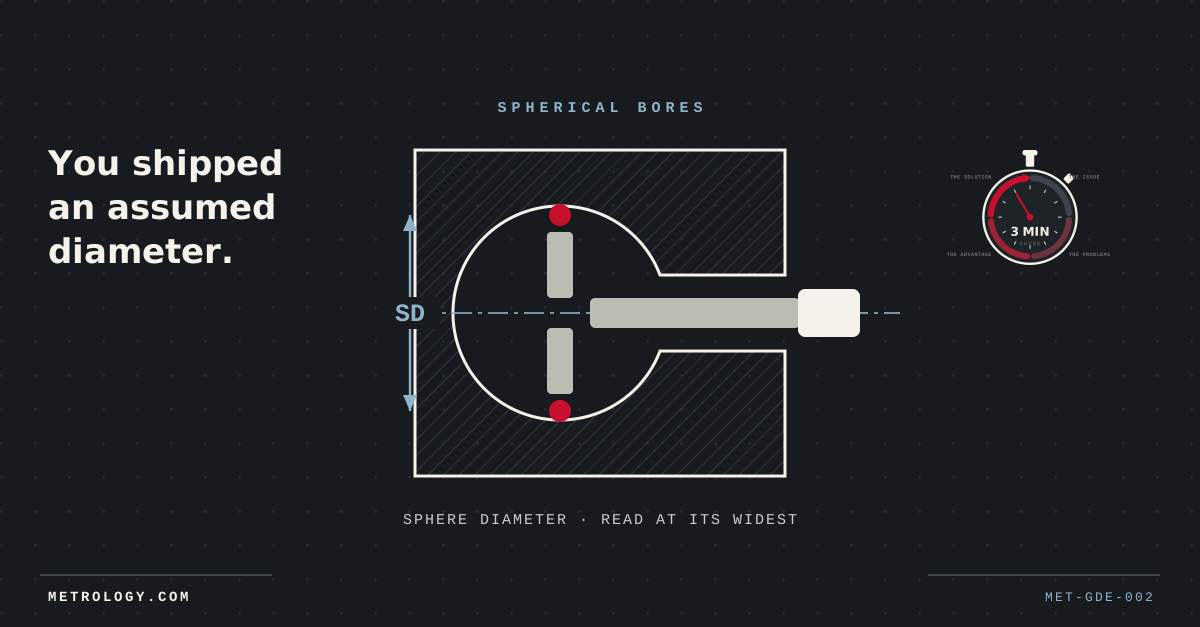
The issue A spherical bore is the geometry that defeats the standard drawer for one simple reason: the feature is larger than the hole that leads to it. Ball seats, hydraulic sockets, rod-end housings, valve interiors — the sphere's full diameter sits behind a smaller entry, at exactly
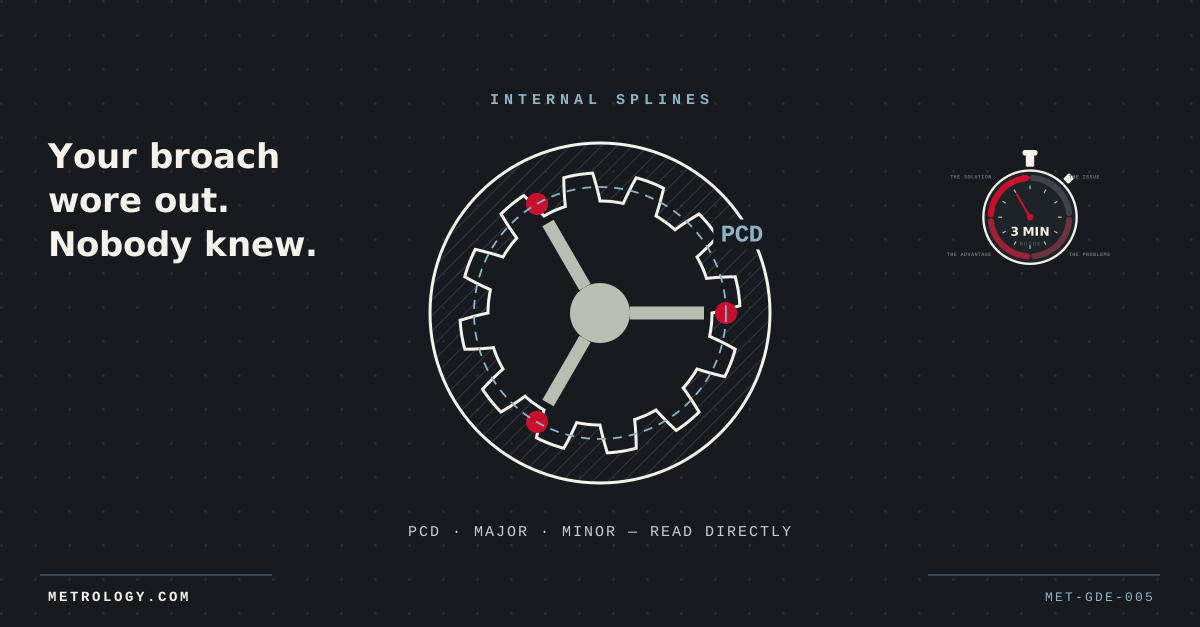
The issue Ask what diameter an internal spline is and you've asked three questions. Major, minor and pitch circle diameter each govern a different aspect of fit — and the PCD, the one that controls load sharing and backlash, is a geometric construction no surface of the part physically
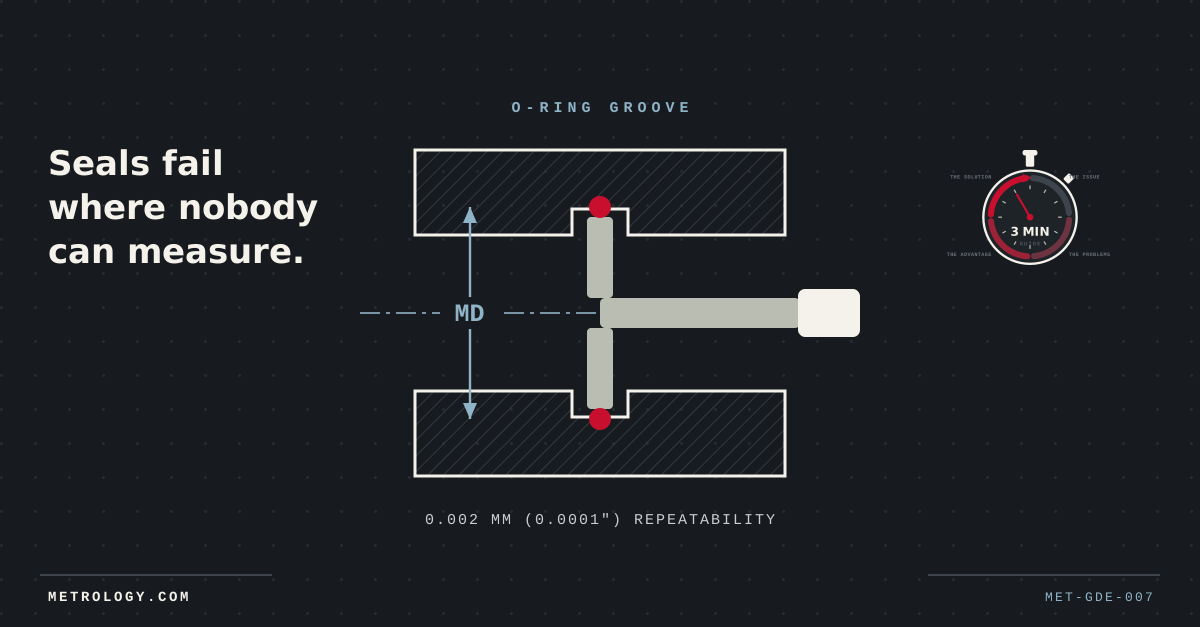
The issue An O-ring is only as good as the gland it sits in, and every sealing-failure investigation eventually arrives at the same unglamorous place: the groove. Its diameter — always larger than the bore that hides it — carries some of the tightest tolerances on the drawing, routinely ±0.