The Metrologist
Thinking, applications and profiles on the issues and people defining the future of Metrology
Tesla starts Optimus production at Fremont this month, on a line designed for a million robots a year.
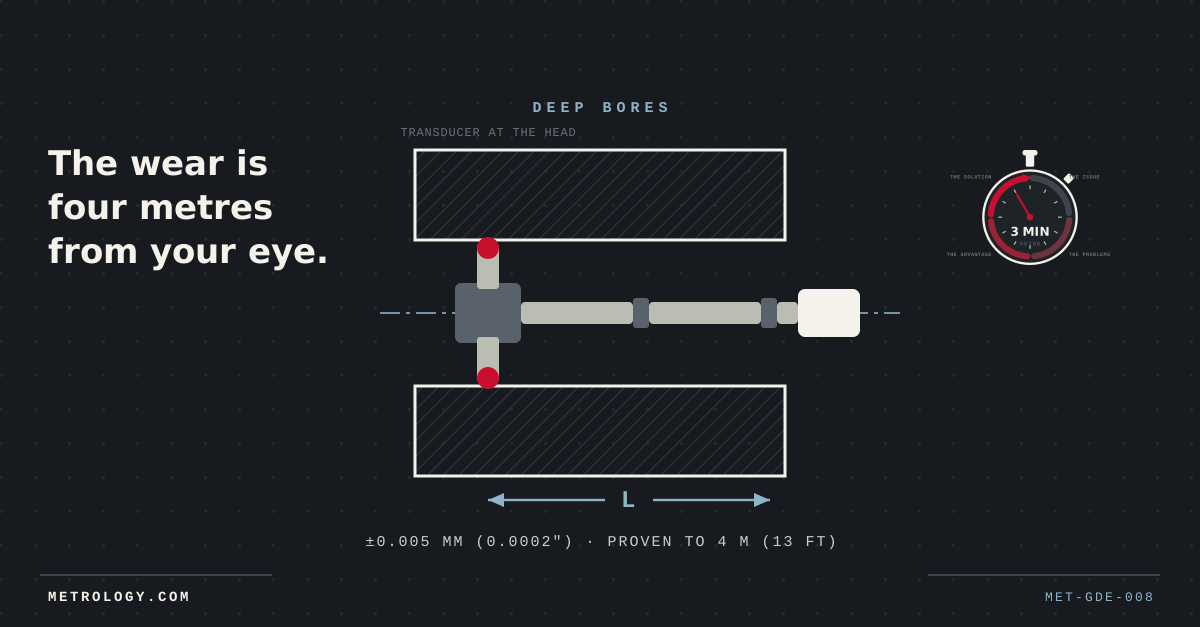
The issue Depth is a key challenge for accurate bore gauging. Honed hydraulic cylinders, gun barrels, drive housings, heat-exchanger bores — the diameter that matters is metres from the operator's hand, and three separate problems compound on the way down: the gauge axis must stay aligned to the
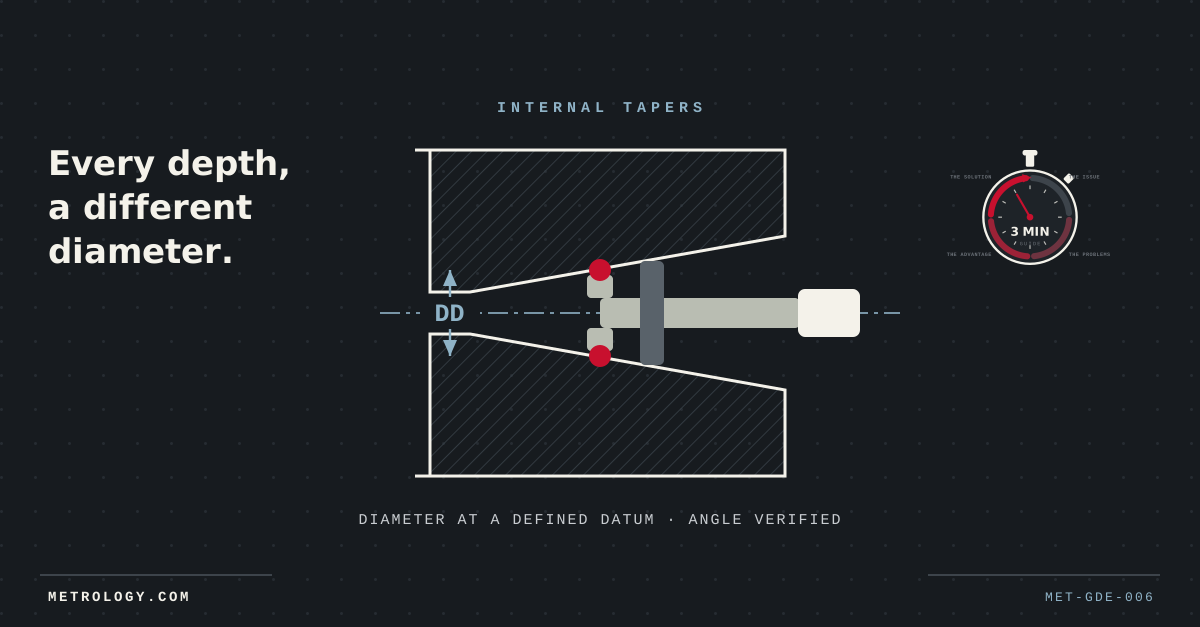
The issue A taper has a different diameter at every depth — which means "measure the bore" is an incomplete instruction. Any reading is meaningless without an answer to where: at what axial position, referenced from which face. Spindle noses, valve seats, hydraulic cones and tooling bores live or
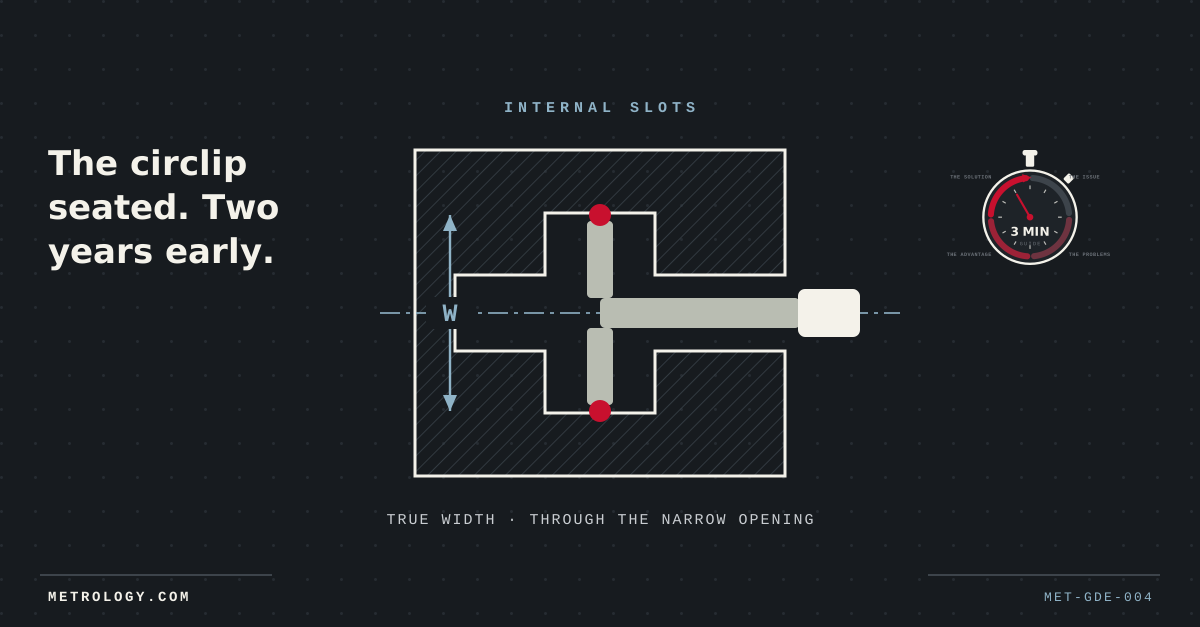
The issue Internal slots break the founding assumption of bore gauging: that the feature is round. A circlip groove that isn't a full circle, a keyway broached inside a bore, a recess machined behind a smaller opening — these are width measurements hiding inside diameter-shaped access, and the
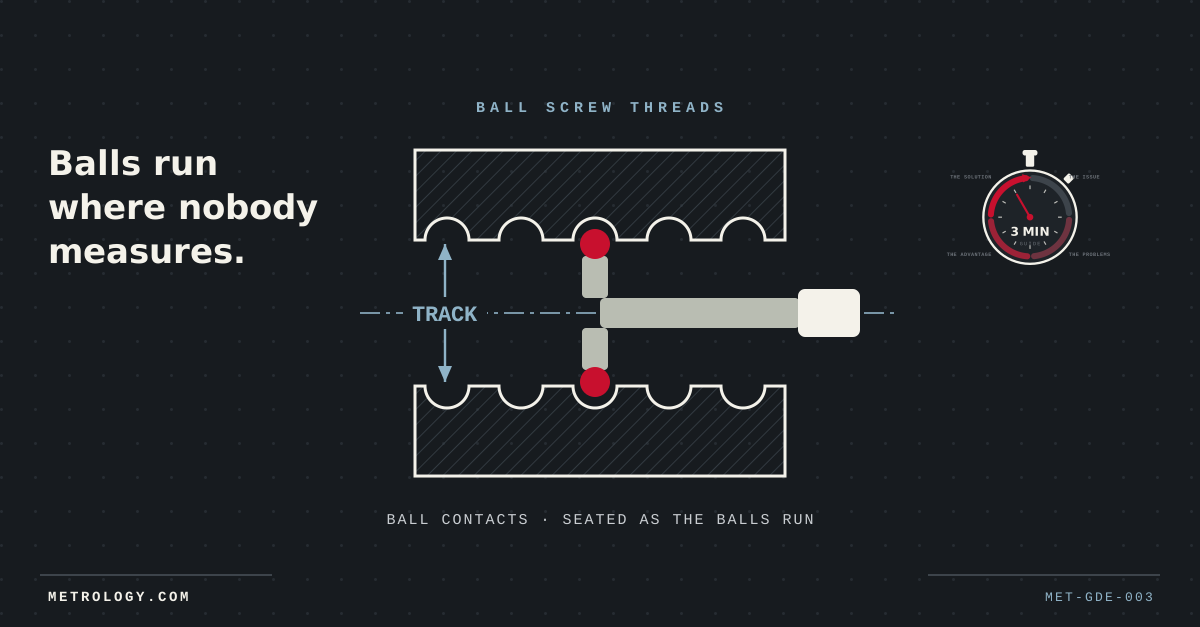
The issue A ball screw doesn't run on its thread crests — it runs on the track, the semicircular or gothic-arch groove where the balls actually roll. The only diameter that predicts performance, preload and backlash is the running diameter measured exactly where a ball sits. Measure the
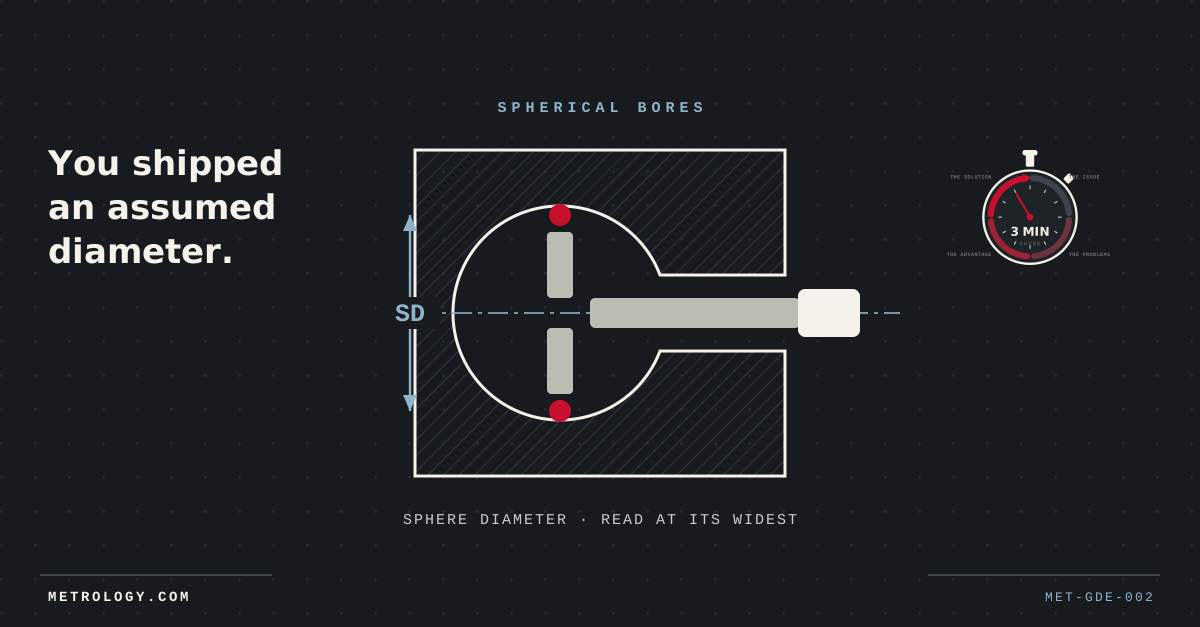
The issue A spherical bore is the geometry that defeats the standard drawer for one simple reason: the feature is larger than the hole that leads to it. Ball seats, hydraulic sockets, rod-end housings, valve interiors — the sphere's full diameter sits behind a smaller entry, at exactly